Palladium Recovery
- Recover valuable Palladium from the Activation bath aging waste.
- Recover valuable Palladium from running Rinse and other Palladium containing solution
- On-line or Off-line system for Palladium metal recovering from high and low concentrations solution/Rinse.
- Minimize/eliminate disposal of valuable resource.
- Reduce waste treatment loading and treatment cost.
- Benefit from sales of valuable metal.
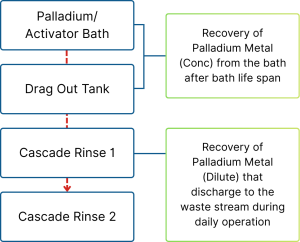
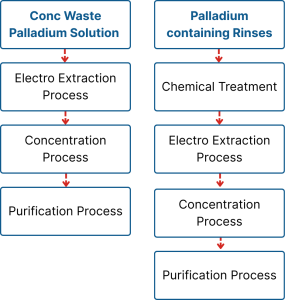
Palladium Streams
Unique Recovery System
Disadvantages of Resin Absorption System
- High cost of process
-
Low loading capacity
-
Low recovery efficiency
-
Resin may need regeneration, land fill or incineration, resulting in more cost and environmental hazard/concern
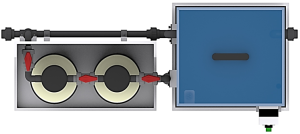
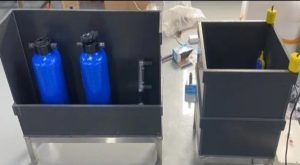
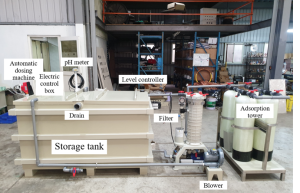
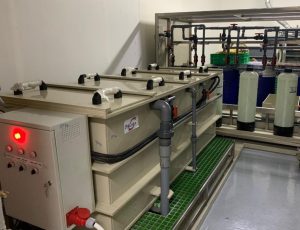
Recovery System (Ionic Palladium System)

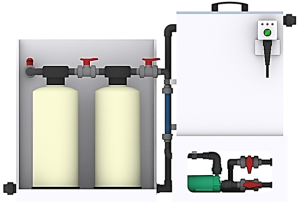
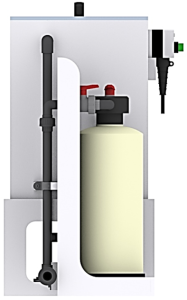
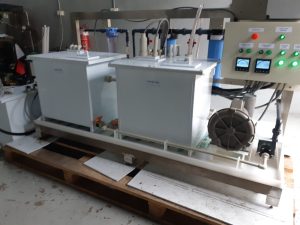
Recovery System (Colloidal Palladium System)
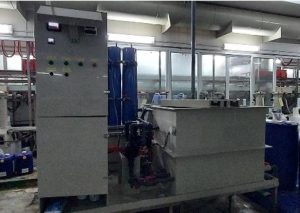
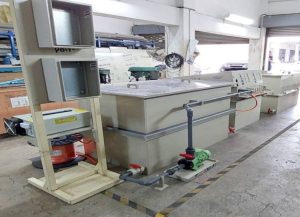
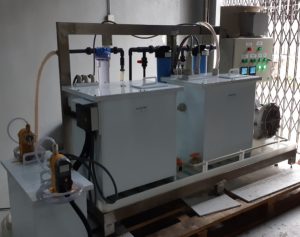
Operation System (Ionic Palladium System)
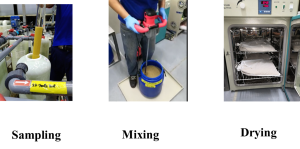
Recovered Form (Ionic Palladium System)
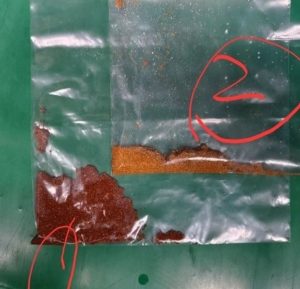
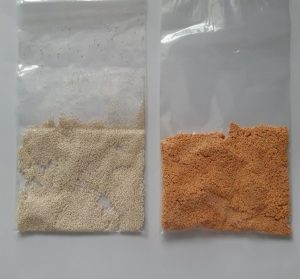
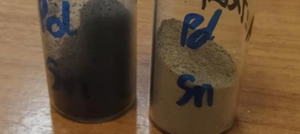
Media color before and after palladium recovery
Harvest (Ionic Palladium System)
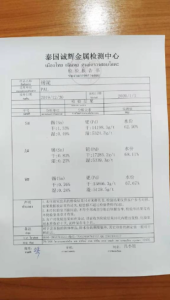
Note: As indicated in the report, the absorbent sample contains 14,198.3, 17,285.2, 15,783.3 gram per Ton (dry basis) of Palladium
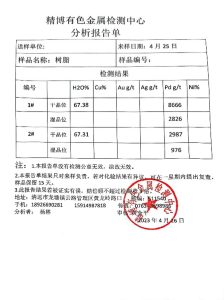
Note: As indicated in the report, the absorbent sample contains 8,666 g per Ton (dry basis) of Palladium
Operation (Colloidal Palladium System) – Before And After Recovery System
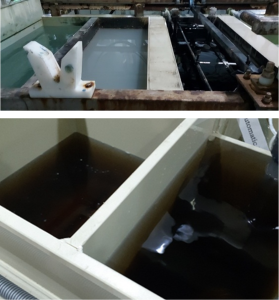
Before
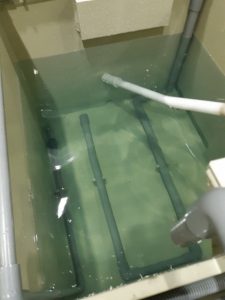
After
Efficiency (Colloidal Palladium System) – Before And After Recovery System
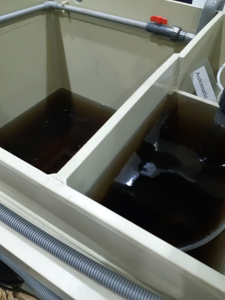
Before and After Treatment Process
Note: As indicated in the report, the Palladium content in the Rinse is 0.2 ppm before the Recovery process
Efficiency (Colloidal Palladium System) – From As Low As 0.2 PPM Rinse Solution
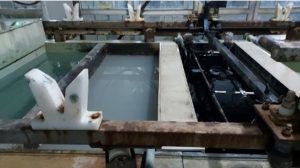
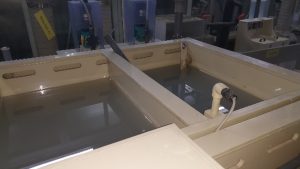
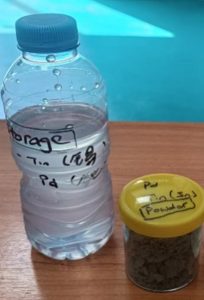
Note: As indicated in the report, the Palladium content in the Rinse is 0.2 ppm before the Recovery process
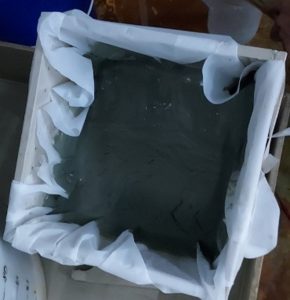
Note: As indicated in the report, the Palladium content in the recovered media (from the Rinse) is 2655.5 ppm after the Recovery process (approx. 13,200 times concentration)
Harvest (Colloidal Palladium System)
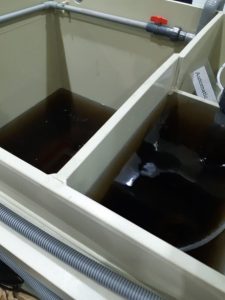
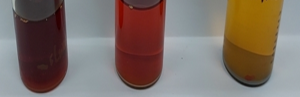
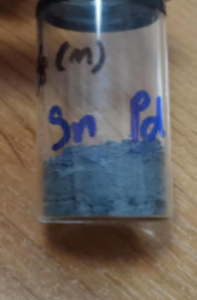
Note: As indicated in the report the absorbent sample contains 18,351.1g per Ton (dry basis) of Palladium
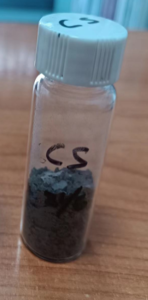
Note: As indicated in the report, the absorbent sample contains 5,925.8 g per Ton (dry basis) of Palladium
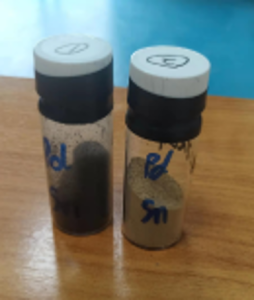
Note: As indicated in the report, the absorbent sample contains 22,547 and 8,935.5 g per Ton (dry basis) of Palladium
System Value (Theoretical Calculation)
- Palladium Drag Out Rinse;
- Palladium Content: 1.0 ppm
- Rinse Water Flowrate: 10 L/min
If palladium-containing rinse is at approx. 1 ppm, 1 line will generate approx. 14 ton of palladium-containing rinse per day. Basing on 25 days per month, potential recoverable palladium content is approx. 350 g. At present LME value of US\$35/g, potential maximum revenue recovery is US\$12,250 per month or US\$147,000 per year.
Boo Cooperation
- Our company shall be responsible for providing the equipment/system for operating and managing the palladium recovery process.
- Our company and the customer shall conduct joint inspections monthly or quarterly and collect the recovered palladium.
Customer Responsibility
- The customer is to provide the site, electricity, water, palladium-containing solution and rinses, and any required piping work at no charge if necessary.
- The customer must support monthly and/or quarterly joint inspections and assist in collecting the recovered palladium.
Project Workflow
| Customer | Our company | |
|---|---|---|
| Early stage evaluation | To provide information regarding type of Palladium, Volume of Palladium containing volume and concentration etc | Experimental confirmation and preliminary conditions of waste liquid |
| Project confirmation | Provide location and space for the equipment | Basing on actual site/situation, to provide design plan |
| Equipment | Ship in equipment and provide utilities | Provide equipment and installation of equipment |
| Working Details | Assist in recording and supply of waste Palladium rinse and waste Palladium liquid concentration | Work out/determine the best conditions for waste Palladium liquid recovery |
| Operations | Assist in equipment, flow rate and concentration check/monitoring | To perform regular equipment maintenance, and replacement of media |